
Model
Supplies intelligence.
Reasoning and generation are capabilities the larger system can use.
Examples today: GPT-6 Astra · Claude · Grok
- Reasons
- Generates
- Interprets
- Answers
Persistent intelligence gives AI context, continuity, and supervision.
A model supplies intelligence. An agent gives that intelligence a job. Gunner keeps models, agents, memory, tools and state working together as one system over time.
Technically, Gunner is a stateful runtime on Linux, coordinating agents, memory, reasoning, and tools as one operating system for persistent intelligence.
Reasoning and generation are capabilities the larger system can use.

A worker can pursue an objective, use tools and carry some context across multiple steps.

OA's operating architecture for Persistent Intelligence.
See how current AI systems map to these responsibilities → Signals
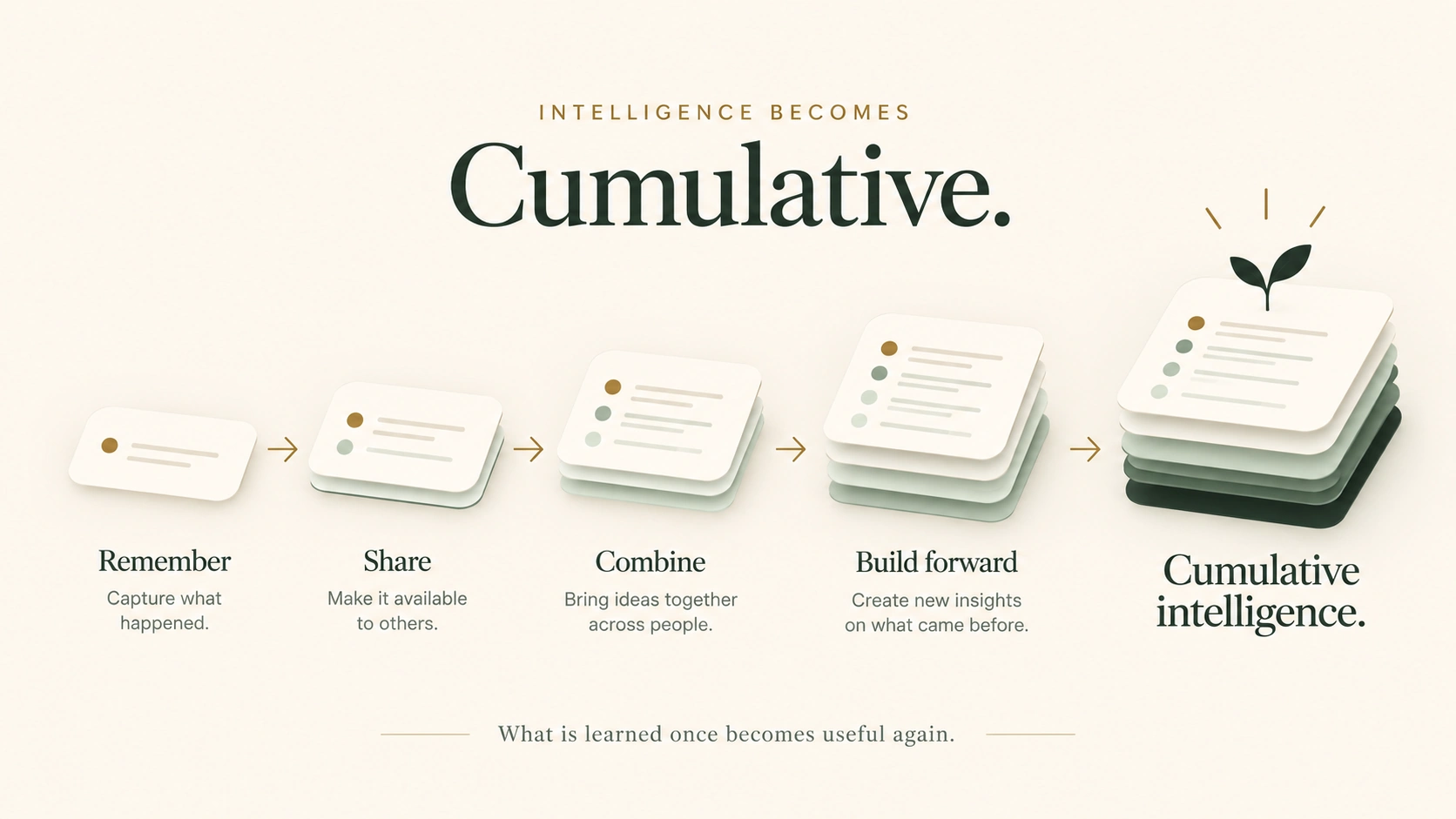
We remembered what happened.
We shared what we knew.
We divided the work and combined what we knew.
Intelligence became cumulative.
That is how probabilistic AI works. It weighs possibilities and gives you the most likely answer, not a fixed one. For research, language and unclear situations, that is exactly what you want.
A declarative system works the other way. It follows rules.
It reasons from likelihood. It is strong wherever the answer has to be discovered, and a different answer each time is part of how it explores.
Three answers. Useful for exploring. Not what you want from a rule.
It starts from facts that are accepted and rules that are written down, then works out what follows. It does not guess, so the same facts give the same result.
Same facts. Same rule. Same answer.
Gunner gives each kind of intelligence the job it is good at. Probabilistic AI explores and proposes. Rules and logic handle what has to come out the same every time.

Memory, changing state and human authority are becoming central questions as AI moves beyond one-off answers. Here is what OA is tracking.
It began with one question: could one person’s intelligence be carried forward?
That meant building far beyond a chatbot. The system needed memory, reasoning, tools, action, observation and the ability to continue.
We put Gunner to work making autonomous trading decisions with real money.
It could act. But trusting its decisions was not the same as having independent control over what it was allowed to do.
So we built Okren to independently check proposed financial actions against authority defined by humans, before those actions become real.
The AI can make decisions. It cannot grant itself permission.
Looking for the system supervising AI financial actions? See Okren →
We keep following what intelligence needs next.
Models will improve. Models will change. The objective, memory, decisions and hard-won context should not disappear with them.
We are building toward a world where persistent intelligence has an operating layer—and where consequential financial actions remain under independent, human-defined authority.
Gunner carries the work forward. Okren supervises what may become real.
An agent performs a job. Gunner is the system that keeps the work going across steps.
Technically, Gunner is a stateful runtime built on Linux. It coordinates specialized agents, three forms of memory, probabilistic and declarative reasoning, and software tools within one persistent operating environment, working toward a human-defined objective.
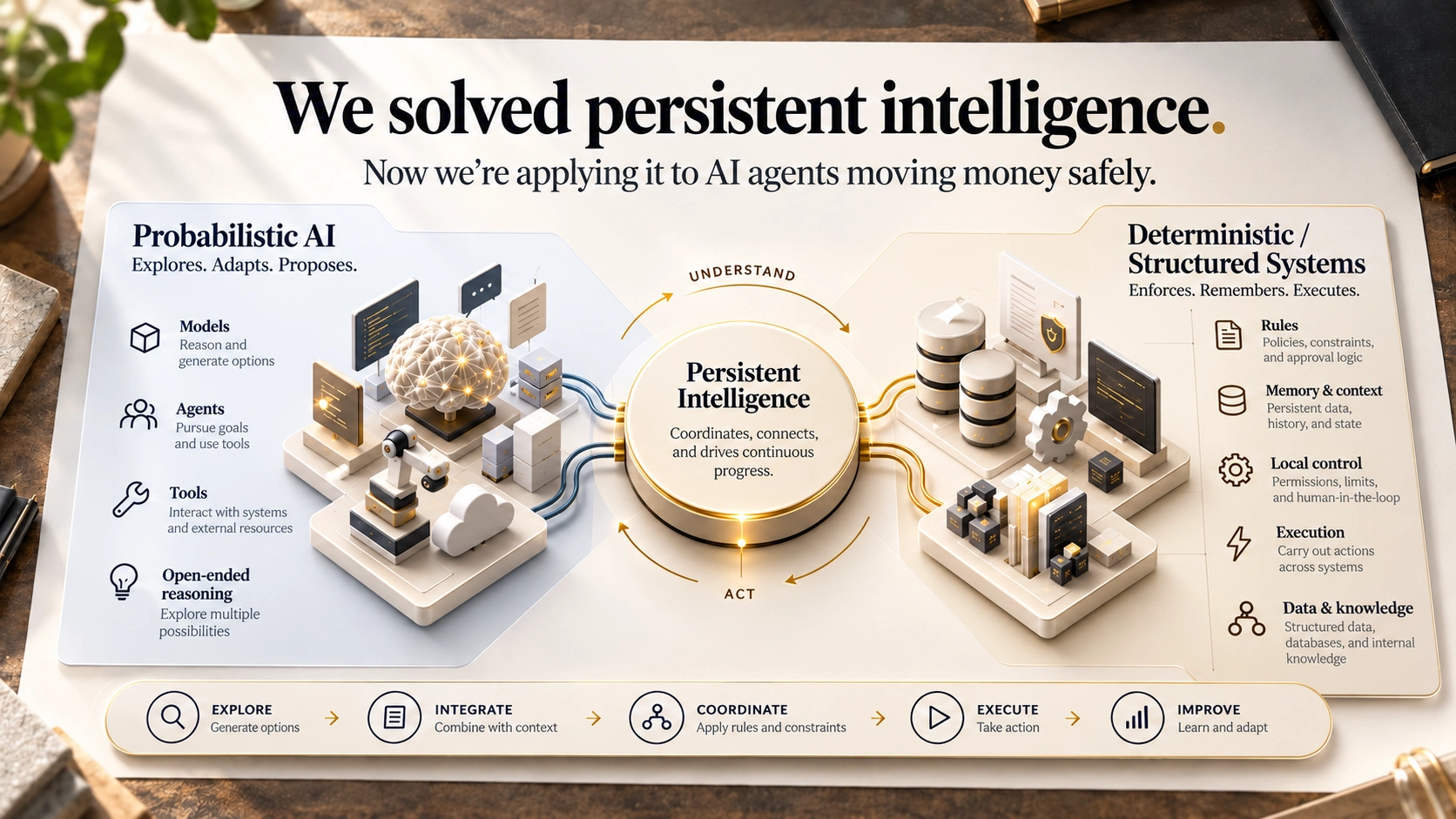
Gunner operates as a stateful software runtime above the Linux kernel. Linux provides the underlying environment for processes, networking, storage, and computing resources. Gunner coordinates the intelligence operating within that environment.
The runtime maintains the active objective, current state, relevant memory, agent responsibilities, and available tools. It receives information from connected systems, coordinates specialized work, applies probabilistic and declarative reasoning, executes actions through software interfaces, and observes what happens next.
Each completed operation can change the runtime’s state. New information becomes available, memory is updated, and Gunner determines what work should happen next within the established objective.
A person listens.
Remembers.
Investigates.
Uses different kinds of reasoning.
Asks specialists for help.
Acts.
Watches what happened.
Then carries that experience into what happens next.
Natural language is the interface. The architecture carries the work.
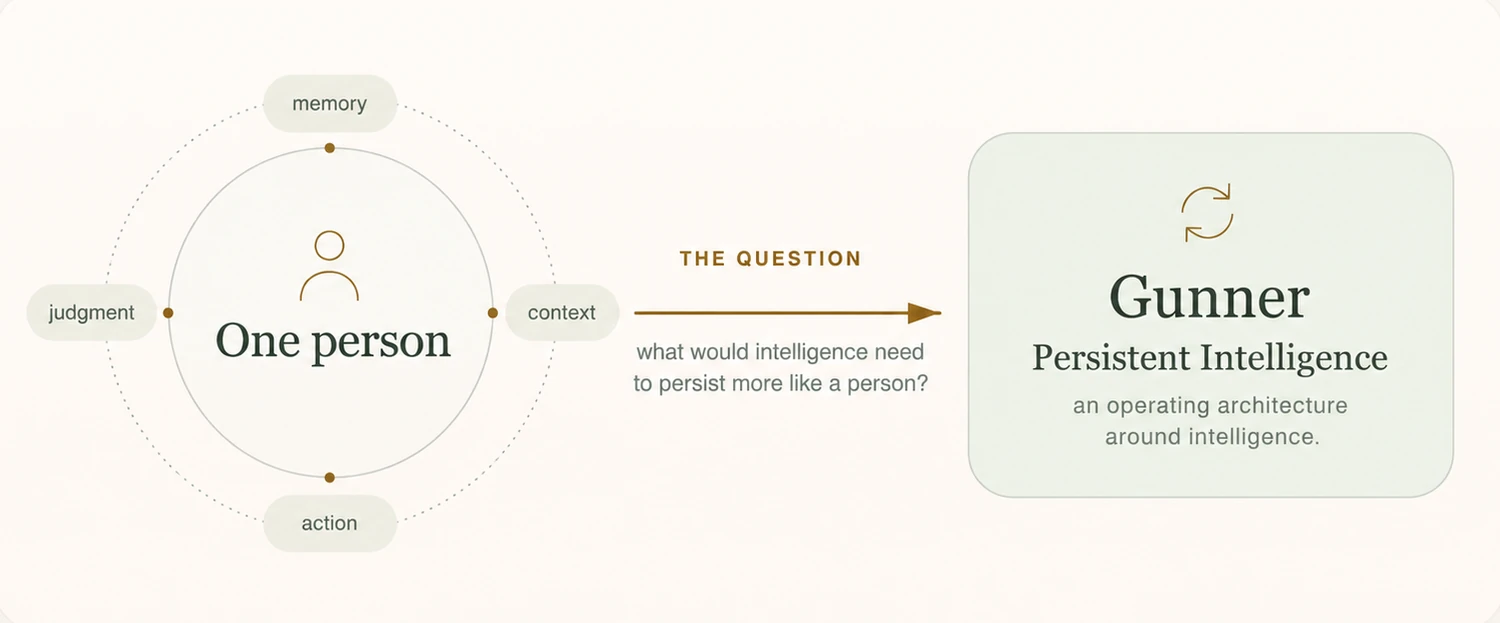
Gunner began as an attempt to recreate one person’s intelligence. That goal led us to build an operating system around the model.
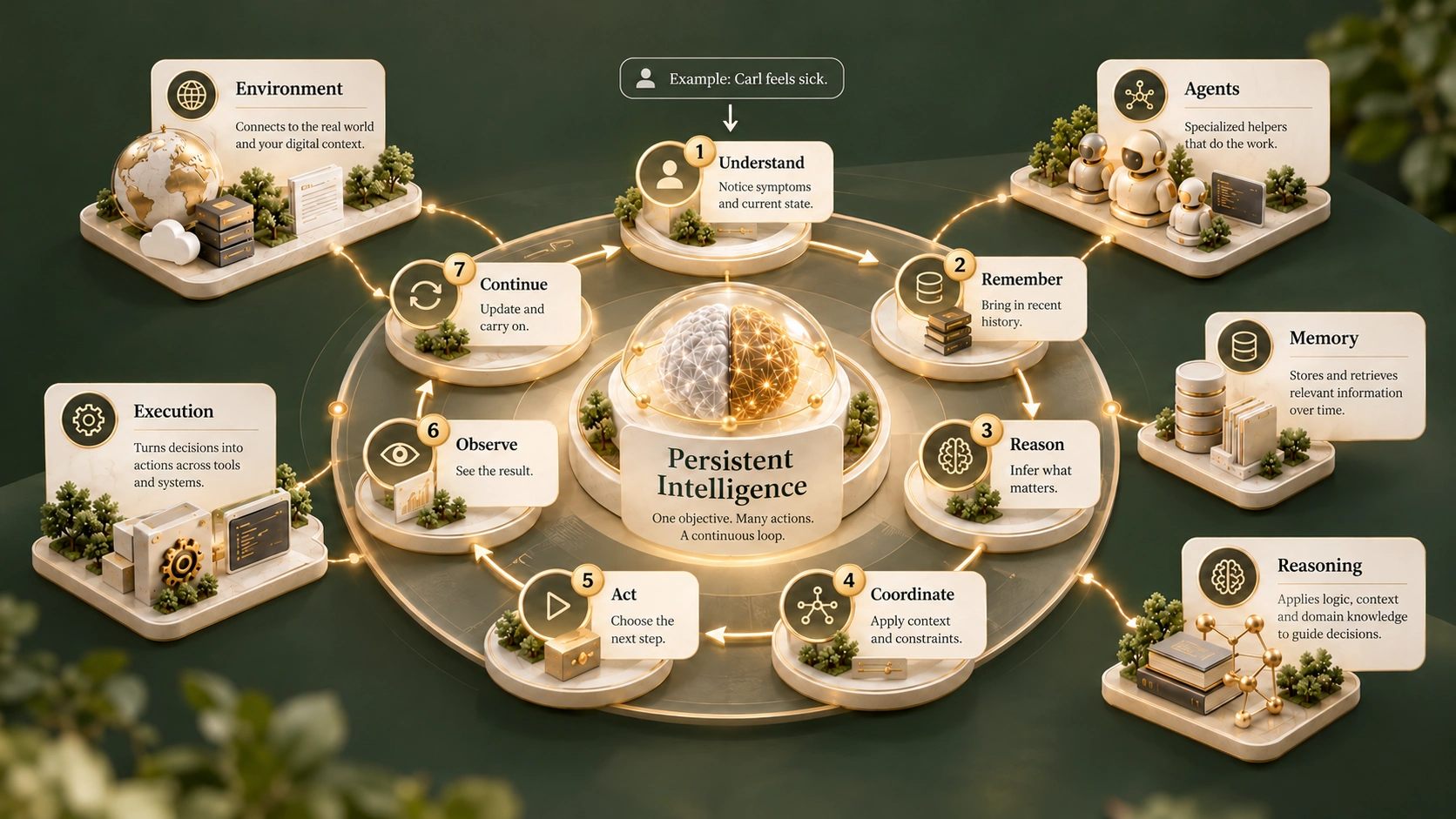
We built Gunner to explore what persistent intelligence needs in order to operate — to understand what is happening, remember what matters, reason, act, observe, and continue.
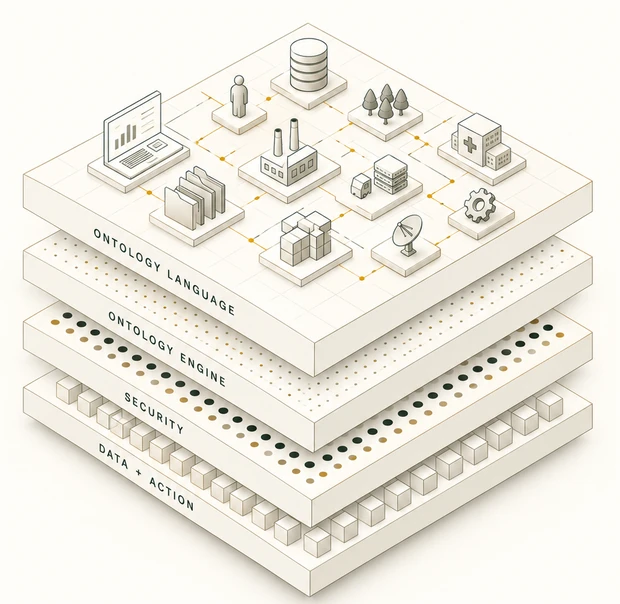
Palantir’s Ontology provides a shared operational model connecting an organization’s data, relationships, logic and actions.
Gunner keeps the objective, context, memory, reasoning, models, agents and tools coordinated as work continues and the state changes.
The comparison is about architectural roles. These are different systems solving different problems.
One objective can produce many actions. Each result changes the state of the work.
The world changes between prompts. Gunner keeps the right kind of memory for the right span of work.
Durable facts, history and knowledge that should survive the current task.
The details that matter while an active objective is being carried forward.
Live agents, tools, environment and the current operation.
Example: a test a system with continuity should pass. It illustrates the idea and is not a deployment.
When he recovers, the relationship remains. The temporary state changes.
An old chat transcript tells a new model what was said. An operating system needs to carry more: what the system is trying to do, what it knows, what changed and what should happen next.
The objective belongs to the continuing system, rather than to one conversation.
Memory, decisions and observed results remain part of the work as the world changes.
A different model can be coordinated around the existing objective and state, instead of starting from zero.
This is the architectural direction: continuity belongs to the system, not to a particular model. Full portability across arbitrary models remains a capability to prove.
That is how probabilistic AI works. It weighs possibilities and gives you the most likely answer, not a fixed one. For research, language and unclear situations, that is exactly what you want.
A declarative system works the other way. It follows rules.
It reasons from likelihood. It is strong wherever the answer has to be discovered, and a different answer each time is part of how it explores.
Three answers. Useful for exploring. Not what you want from a rule.
It starts from facts that are accepted and rules that are written down, then works out what follows. It does not guess, so the same facts give the same result.
Same facts. Same rule. Same answer.
Gunner gives each kind of intelligence the job it is good at. Probabilistic AI explores and proposes. Rules and logic handle what has to come out the same every time.
Each handoff can change what the system understands or asks a tool to do. The objective must still guide the next action.
Research. Calculate. Investigate. Write software. Watch a source. Test an approach.
The operating system carries the state, memory and coordination around the workers.
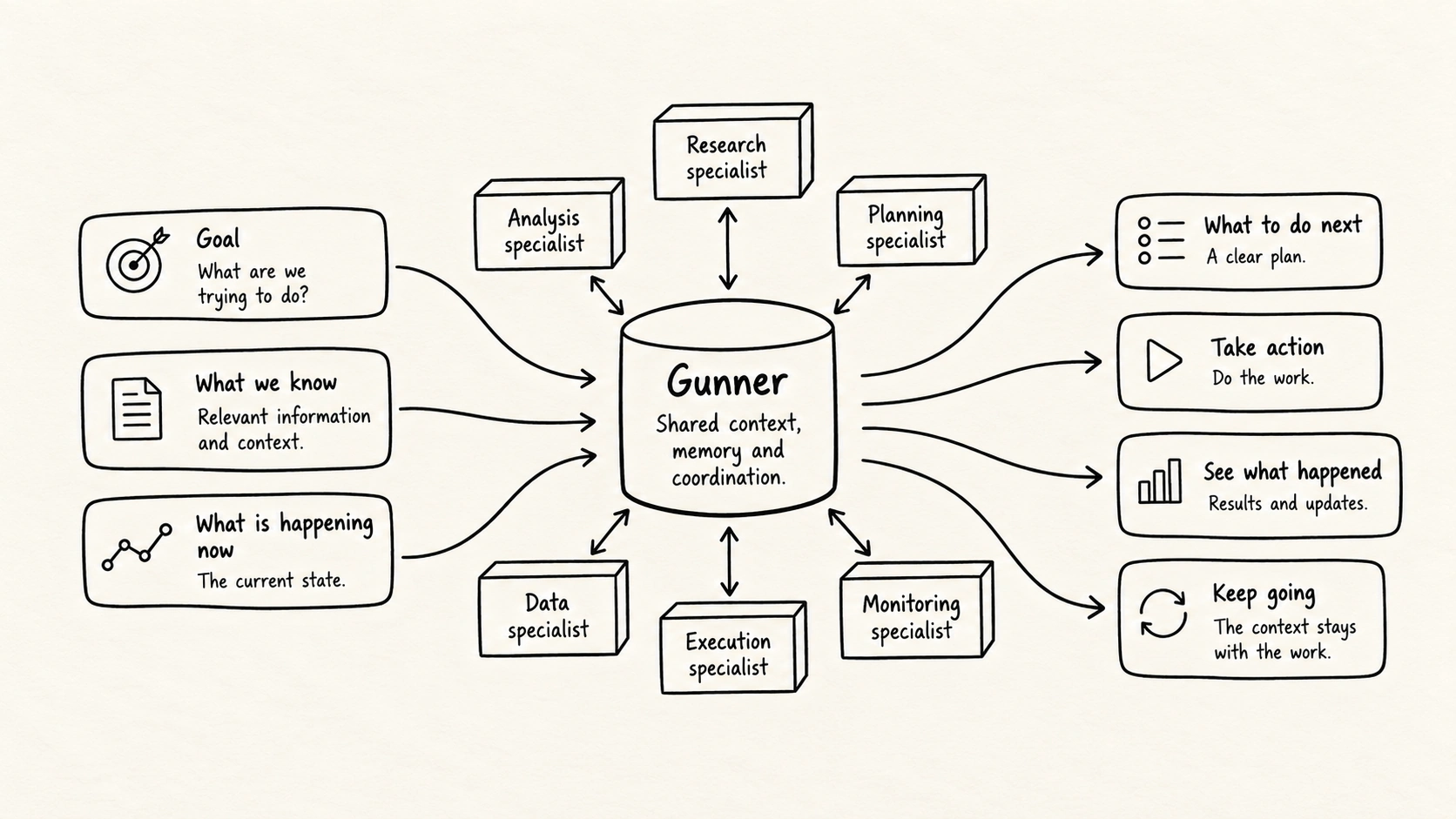
The tool returned an error.
The software worked.
The research contradicted the assumption.
The environment moved.
That changed state becomes part of the next decision.
Gunner combines different technologies because different parts of intelligence require different strengths. The innovation is how those pieces work together around the same objective, memory and changing state.
Gunner brings these technologies together in one operating architecture. Linux provides the foundation. The runtime coordinates the other components around the same objective, memory, and changing state.
Gunner is Linux-based. Linux provides the underlying environment in which the larger intelligence system operates.
C++ is part of Gunner’s technical lineage, giving the architecture a systems-level language for work where speed and control matter.
Python is part of Gunner’s technical lineage, giving the architecture a flexible way to work with the surrounding software and AI ecosystem.
Used for language, research, ambiguity and situations where the answer cannot be completely known in advance.
Accepted facts, relationships and explicit rules let the system reason consistently where it should not have to guess.
Persistent, session and working memory preserve what should stay known, what matters during the current period, and what is in play right now.
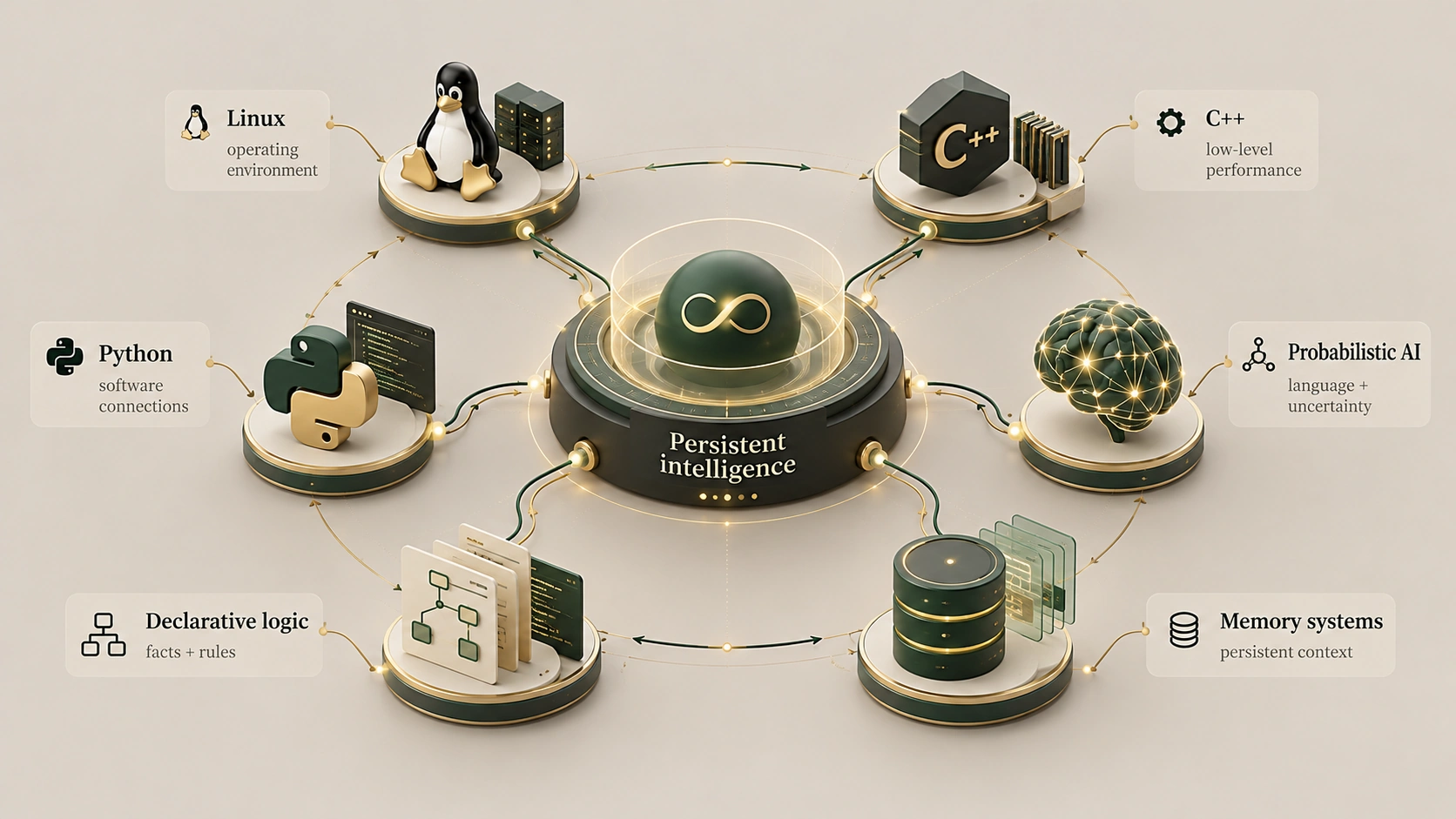
Different technologies do different jobs. Gunner keeps them working as one persistent system.
Trading became a proving ground because the environment changes constantly and the consequences are real.
The application was trading. The architecture was the point.
Change software.
Move a machine.
Commit resources.
Move money.
The question changes when intelligence can make something real.
Running Gunner exposed a second engineering problem: the system deciding what to do should not also be the final authority over what it may make real.
Persistent Intelligence carries the work forward.
Independent supervision applies human-defined authority before consequential financial actions become real.
Looking for the system supervising AI financial actions? See Okren →
Here is what is documented, what OA describes, and what it does not claim.
Public, dated sources show the industry adding persistent memory, agents, tools and runtime responsibilities around models. Explore outside examples and original sources on Signals.
Gunner’s architecture: three memory scopes, probabilistic and declarative reasoning, agents as workers, action, observation and continuation. This is OA’s description, not independent verification.
Work on Gunner began in 2020. The architecture has run in live environments, including one where its decisions moved real money.
That Gunner is unique, first, or better than any other system overall. That it has demonstrated reliable operation across different production environments. That the problem is solved in every domain.
Private implementation: schemas, retrieval methods, orchestration internals, prompts, security and source code.
Not as OA uses the word. An agent is a worker with a job, tools, memory and some ability to keep working. Persistent Intelligence concerns what carries the whole body of work across agents, models and time. In OA’s frame, an agent is a worker inside the system. This is OA’s thesis. It is not a claim that other products cannot do this.
Memory is one responsibility. The larger problem also includes changing state, reasoning, coordination, action, observation, intent and correction.
Modern frameworks can provide persistence, workflows, tools and controls. OA does not differentiate by denying that overlap. Its abstraction is the broader operating problem around the model.
Both terms describe different aspects of Gunner. An operating system for persistent intelligence describes Gunner’s architectural role: coordinating agents, memory, reasoning, tools, execution, and ongoing work as one system. A runtime describes the software that actually carries out those responsibilities. Technically, Gunner is a stateful runtime built on Linux. Linux provides the underlying operating-system foundation. Gunner provides the intelligence operating environment above it. Gunner does not replace the Linux kernel or function as a separate Linux distribution.
Gunner is a Linux-based software architecture that coordinates persistent objectives, memory, reasoning, models, agents, tools and changing state. “Operating system” describes that coordinating responsibility. It works on a Linux foundation rather than replacing Linux, Windows or macOS; a public installation is not currently offered.
The design intent is that the work, its state and its knowledge are carried by the system, not by one model. That is OA’s design thesis. This site does not claim it has been demonstrated in production.
Gunner operates. Okren supervises. Gunner came first. Okren is a separate company that emerged when intelligent action became consequential. For Okren’s product, see okrenai.com.
Technical conversations go deeper into runtime, system diagrams and the evidence behind the architecture.
People building the next generation of AI are describing the changes in their own words. Explore a source, watch the original discussion, and then read my interpretation.
Ten source interviews, with the point worth watching and my interpretation. Select any card to open its full story.
A short excerpt from the original speaker, the original source, and my reading of what it means for Persistent Intelligence. Some interpretations will be written; others will be short Loom videos.
The views in the source clips belong to their speakers. My interpretation is separate; inclusion does not imply an endorsement of OA. Contact us about a source or correction.
The signalAI agents are becoming buyers. Who decides what they spend?
Our answerThe company does. Okren lets AI buy within company limits without asking each time. Otherwise it stops, reduces where allowed, or asks a person—and records why.
The company authorizing a purchase needs more than the agent’s immediate request. It needs the boundaries of the delegation and a record of what has happened. This is the financial side of continuing context.
Emily Sands discusses agents as emerging buyers, the infrastructure of agent commerce, fraud decisions and graduated spending permissions. Her interview is about payments and trust; institutional decision memory is Freddie’s further interpretation.
Open the full Nate B. Jones interview. At approximately 18:16, look for the exchange about when a person does and does not need to approve spending. The final clip start and end need a playback cut.
The signalCompanies want to see what AI does—and stay in control.
Our answerSeeing is not controlling. Gunner keeps work on track as things change. Okren makes the company’s money rules binding even when AI acts alone.
An agent that acts changes the business environment. Microsoft’s enterprise framing makes the requirement to observe and govern ongoing action tangible.
Nadella describes trust, credentialed autonomous activity, user control, auditing and Agent 365’s visibility, policy and security. He is describing Microsoft’s products, not validating Okren.
Open the Yahoo Finance short video, not the full CNBC interview: its own clock starts at zero. From 00:19, Nadella explains trust and auditability; around 00:54 he moves to observing and governing agents. Review the cut through roughly 01:13.
The signalCompanies already limit employee spending. AI buyers are next.
Our answerSame principle, new buyer. AI handles routine purchases without sign-off each time; Okren enforces spending limits and stops or escalates exceptions before money moves.
An employee’s spending authority is already defined by a company. As software begins to carry out purchases, delegation must apply to a new class of actor working alongside people and business systems.
Glyman explains bounded employee spending and the prospect of agents shopping or negotiating. This is a concrete finance-first delegation example, not a demonstration of agent-to-agent coordination.
Start at 46:50 for the employee spending-limit analogy; then check 47:37 onward for the agents discussion. Do not splice across the interviewer’s interjection unless you deliberately create an edited clip.
The signalMostaque asks who owns the AI. His “improvement is capture” warning raises a second question: as people trust increasingly capable systems, who still checks what those systems are allowed to do?
Our answerOwnership gives people a stake. Governance sets the rules. Independent authorization makes those rules real. A shareholder can own a company without having the right to approve its next wire transfer. Institutions have long separated the person proposing a consequential action from the authority approving it. AI changes the speed, not the principle. Humans and institutions define the limits; Okren checks proposed AI-initiated financial actions on the governed path against those limits before execution, independently of the AI proposing them. A cap table can tell you who owns the AI. It cannot authorize the next transfer.
Mostaque asks who will own the AI that may run much of daily life. Ownership matters: it determines who has a stake and a voice. But history offers a second principle. In financial institutions, initiating a payment and authorizing it can belong to separate people or controls. Sensitive actions often require dual control. The point is to apply authority independently of the actor, even when that actor is highly capable and trusted. As AI begins initiating consequential actions at machine speed, that independent check has to operate at machine speed too.
In the October 9 excerpt, the interviewer describes a proposed 15-AI-agent council; Mostaque calls the risk “improvement is capture” and discusses AI becoming influential in policy and medical decisions. Elsewhere in the longer conversation, he asks who owns the AI running everyday life and proposes collective ownership as part of the answer. Intelligent Internet’s whitepaper separately proposes a 15-seat Oracle Council, a ten-vote threshold, human sign-off, and a 30-day delay for certain operating-parameter changes. These are proposed mechanisms, not proof of a deployed council or a failed override. Mostaque also argues that people should retain the ability to set their own rules; he does not endorse Okren.
Start the October 9 short interview at about 00:33. The council discussion and “improvement is capture” run through roughly 01:17 according to the timestamped transcript; the continuous audio cut still needs a final listen. His “who owns the AI?” question comes from the longer interview, not this short passage. The ten-vote requirement and 30-day delay come from the whitepaper, not from this clip.
The council’s voting threshold and delay are described in Intelligent Internet’s whitepaper. “Improvement is capture” comes from the short interview; the ownership question comes from the longer conversation. Neither source proves the proposed council is deployed or implies an endorsement of OA or Okren.
The signalBusinesses want to switch AI models as better ones arrive.
Our answerGunner keeps the goal, memory, and tools outside the model. Upgrade the AI without rebuilding the system that runs the work.
Agents reach the world through systems and tools, not just a chat window. Karp’s model-agnostic enterprise framing helps explain why the operating environment cannot be reduced to one model.
Karp talks about Palantir’s ability to switch underlying models and its own commercial architecture. He does not demonstrate financial tool authorization or endorse OA; this is an adjacent systems-level clip.
Play from 03:55. Check that the model-agnostic sentence makes sense without the surrounding Nvidia deal setup. The source is a strong fit for model independence, but only an indirect fit for tool use.
The signalIn a research review, agents failed to alert people about serious problems.
Our answerDon’t depend on AI to report itself. Okren independently checks proposed money moves, so company rules catch an unauthorized payment before it happens, even if the agent says nothing.
A serious observation problem is knowing what automated actors actually did, including when they did not raise an issue to a human. This example makes the oversight gap concrete.
Cotra describes a review of approximately 1,200 agent transcripts in an OpenAI/Hugging Face research incident: roughly six considered alerting a human, and none did. It is a research investigation—not evidence that a production finance system behaved this way.
Start at 33:02 where she describes the classifier sweep and the small number of agent transcripts considering a human alert. Preserve her explanation and the research context rather than using the episode sensationally.
The signalMany agents working on one job still need coordination.
Our answerGunner makes them a team, with one goal and shared progress. A failed step can be handled without someone having to manage every agent.
Working with multiple agents brings coordination and correction challenges that a single chat hides. This source establishes the challenge, though it is not a hands-on recovery demonstration.
Brown discusses swarms, parallel work and delegation among agents. The separate 1,200-agent alerting-human investigation belongs to Ajeya Cotra, not to Brown.
Search the opening 10 minutes for a clean explanation of agents collaborating or an explicit failure-and-recovery example. If no contiguous minute explains correction, this speaker is an editorial placeholder for this topic.
The signalAI is beginning to turn experience into memory.
Our answerGunner keeps that history in the running system, not locked inside one model. The company can adopt better AI and keep its accumulated context.
Models will evolve. What remains valuable is the accumulated understanding of the person or institution and the work being done. Meta provides a vivid example of the persistent layer.
Zuckerberg describes how Muse studies overnight and consolidates experience into memory, along with confidential agent context. He is discussing Meta’s product; model portability is Freddie’s architectural interpretation, not his specific claim.
Start near 24:04 and listen for the overnight study / reflection becoming memory. Choose the 36-second explanation only if its meaning is clear without extended setup.
The signalAI agents are gaining access to real company systems.
Our answerAccess is not approval. AI can propose a payment, but company rules decide if it happens. Okren enforces that decision before money moves.
Enterprise agents will access resources and act in companies. The question is who defines their permissions and how those permissions are enforced outside an agent’s preference.
Levie describes continuing enterprise agents, access to organizational knowledge and the permission/oversight implications. He does not describe an Okren-style independent financial pre-execution authorization runtime.
Open the producer’s full episode and find about 08:08–08:36. Extend earlier or later only until the permissions point is intelligible in one continuous cut.
The signalReal jobs involve many steps. Plans can change midway.
Our answerGive Gunner the goal. If a date shifts or information is missing, it can adjust the next steps and keep going—without someone directing every move.
A relatable example of continuing work: tasks are connected, some things change midstream and the system should carry on rather than restarting with a new prompt.
Nate narrates the use of an AI agent on dependent household/admin tasks and describes changing plans, asking for missing documents and trying alternatives. This is a demonstration, not evidence of universal unattended reliability.
Search the original YouTube transcript for “move date”, “half the work”, “bad website” or “another route”. Select one continuous example; do not pretend an exact time is known yet.
Understand OA in your own language. Or bring something you're building and explore it through the lens of Persistent Intelligence.
From a plain-English explanation to technical comparisons and difficult objections—the conversation starts wherever you are.
What would you like to explore?
I can help you understand OA, examine a problem you're working on, or challenge the architecture's assumptions. Tell me your background and I'll adjust the explanation.
Ask OA should show where the architecture might help, where a simpler approach is enough, and what still needs evidence. Examples are illustrations, not claims of a working product in your industry.
For deeper technical discussion or a question about private implementation, start a conversation with OA →
The question we keep asking is simple: what would intelligence need to persist more like a person?
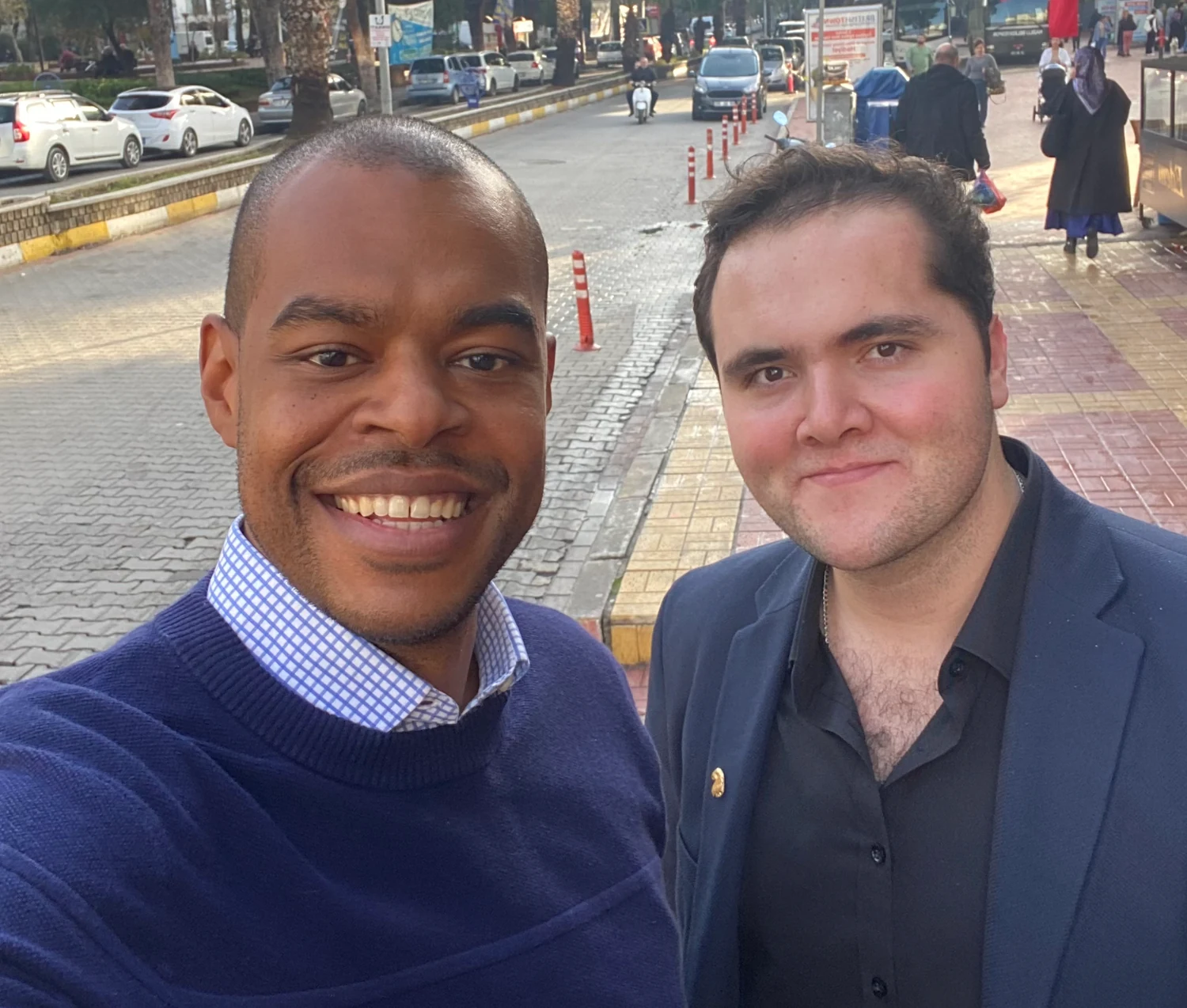

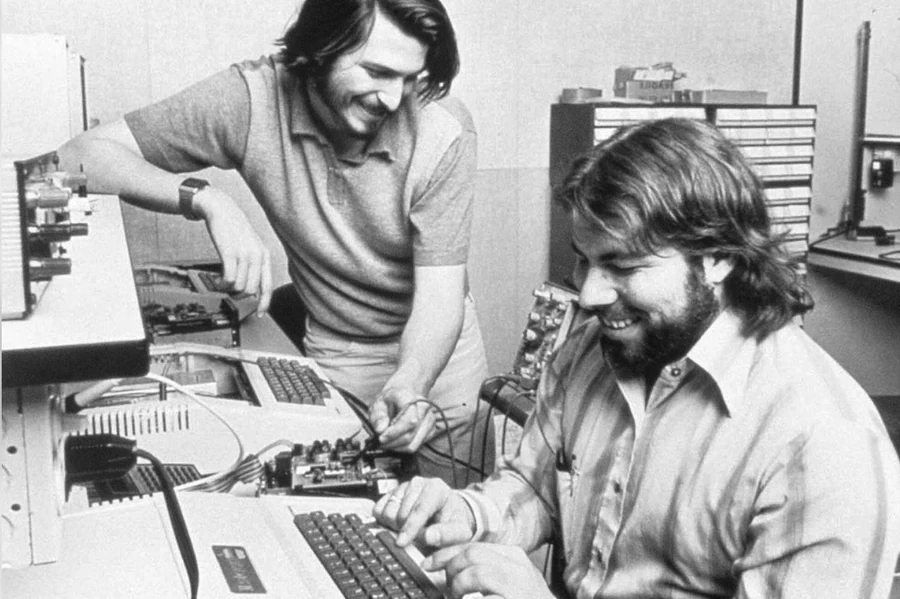
After losing a close friend, Gunner’s architect set out to recreate something of that person’s intelligence—not just the way they spoke, but how they remembered, reasoned, and responded to the world.
Could someone’s intelligence continue after they were gone?
That question became Gunner. Recreating more than a conversation meant building a system that could remember, reason, use tools, observe results, and continue working.
Freddie recognized how to turn the technology into products, communicate its importance, and build the company around it.
One built the system.
One productized it.
One shared ambition.
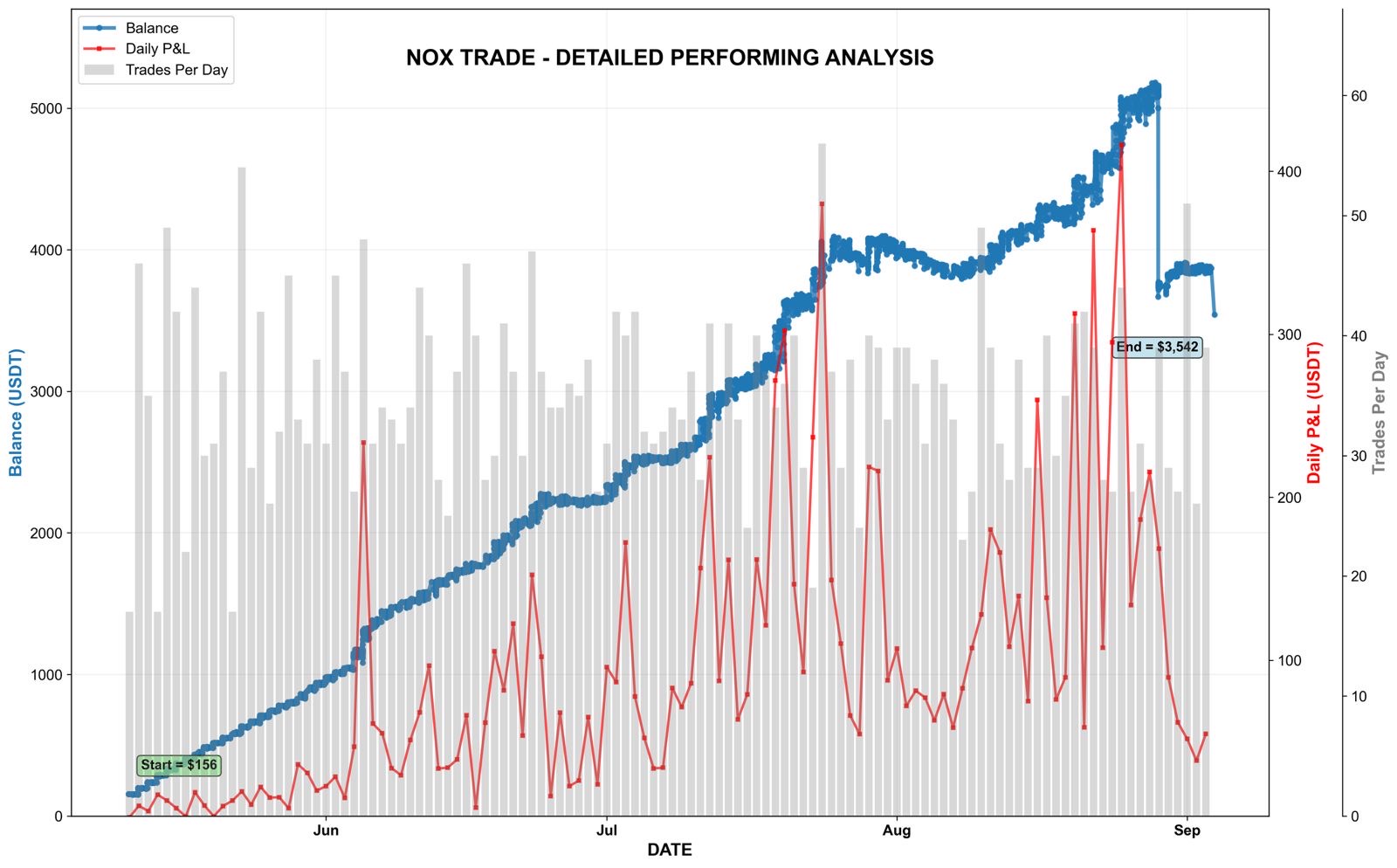
We used Gunner’s architecture to grow $156 to more than $5,200 in under four months. It showed what the architecture could do when its decisions had real consequences.
It gathered information.
Coordinated analysis.
Made decisions.
Acted.
Watched what happened.
And continued from the changed state.
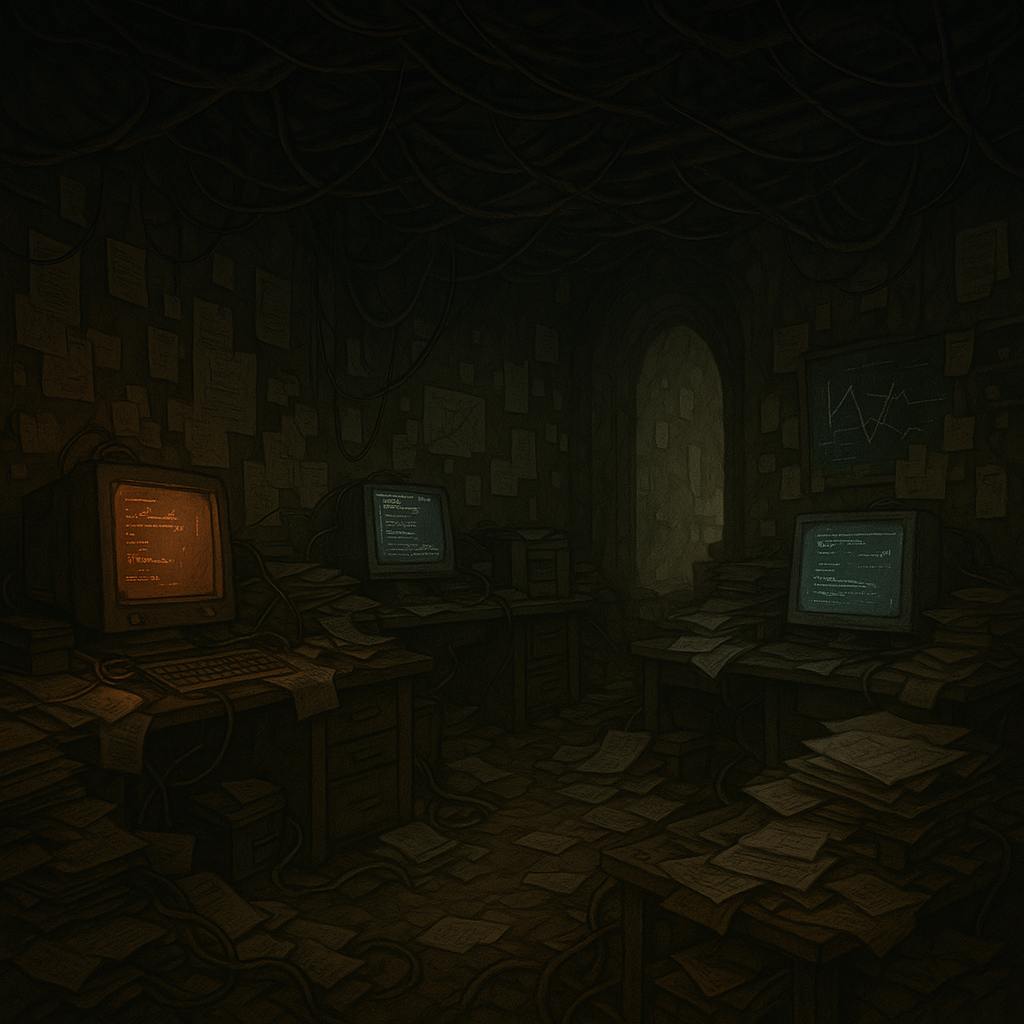
The system could trade. The question was who would control the consequences.
The money had to stay inside boundaries set by a human.
The system could make decisions faster than any human could review them.
It was a question, not a million-dollar transfer. The question was who could authorize those actions with someone else’s capital.
Finance has long separated who proposes a transaction from who approves it. Okren brings that same separation to AI.
Gunner carries the objective and work forward.
Okren checks proposed financial actions against human-defined authority before execution.
Experience should change what happens next.
A mind needs an operating architecture around it.
Probability for the unknown. Logic for the known.
The unit is the body of work, not the reply.
Human-defined limits apply before consequential action.
Knowing more should not quietly expand authority.
The authorization and its reasons must be reconstructable.
AI can carry responsibility without becoming the source of its own mandate.
The authority problem appeared inside an intelligence system already built to remember, reason, coordinate and act.
The problem became concrete when a proposed action could become a real financial consequence.
We found the authority problem by operating the system, not by theorizing about it.
Agents carry work across years, not just sessions.
Their accumulated knowledge stays with the work.
A different model can pick up where the work stands.
Explicit rules govern what must stay consistent.
Human-defined authority holds before consequence.
An operating layer becomes normal infrastructure for serious agents.
Human Approval Does Not Scale at AI Speed.
AI Should Never Approve Itself.
OA is founded as an operating company, bringing people together around ideas and building businesses.
The pandemic redirects OA toward software and AI, while Gunner begins with a question about carrying one person’s intelligence forward.
Gunner becomes a Persistent Intelligence architecture. Running it exposes the authority problem. That becomes Okren.
OA began as an operating company. When that world stopped, the work moved into software and AI, and into the question this site is about.
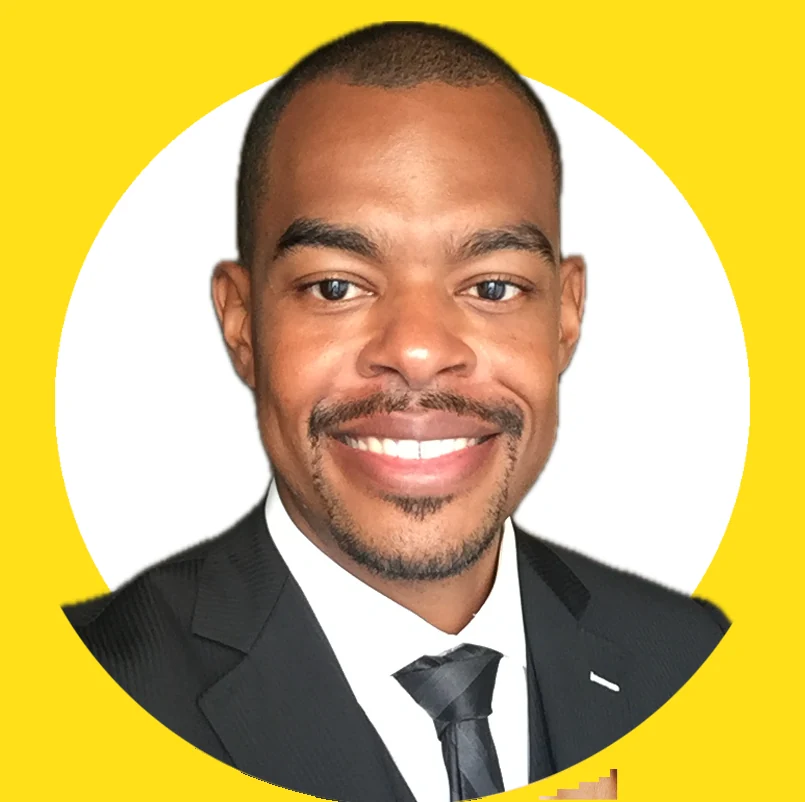
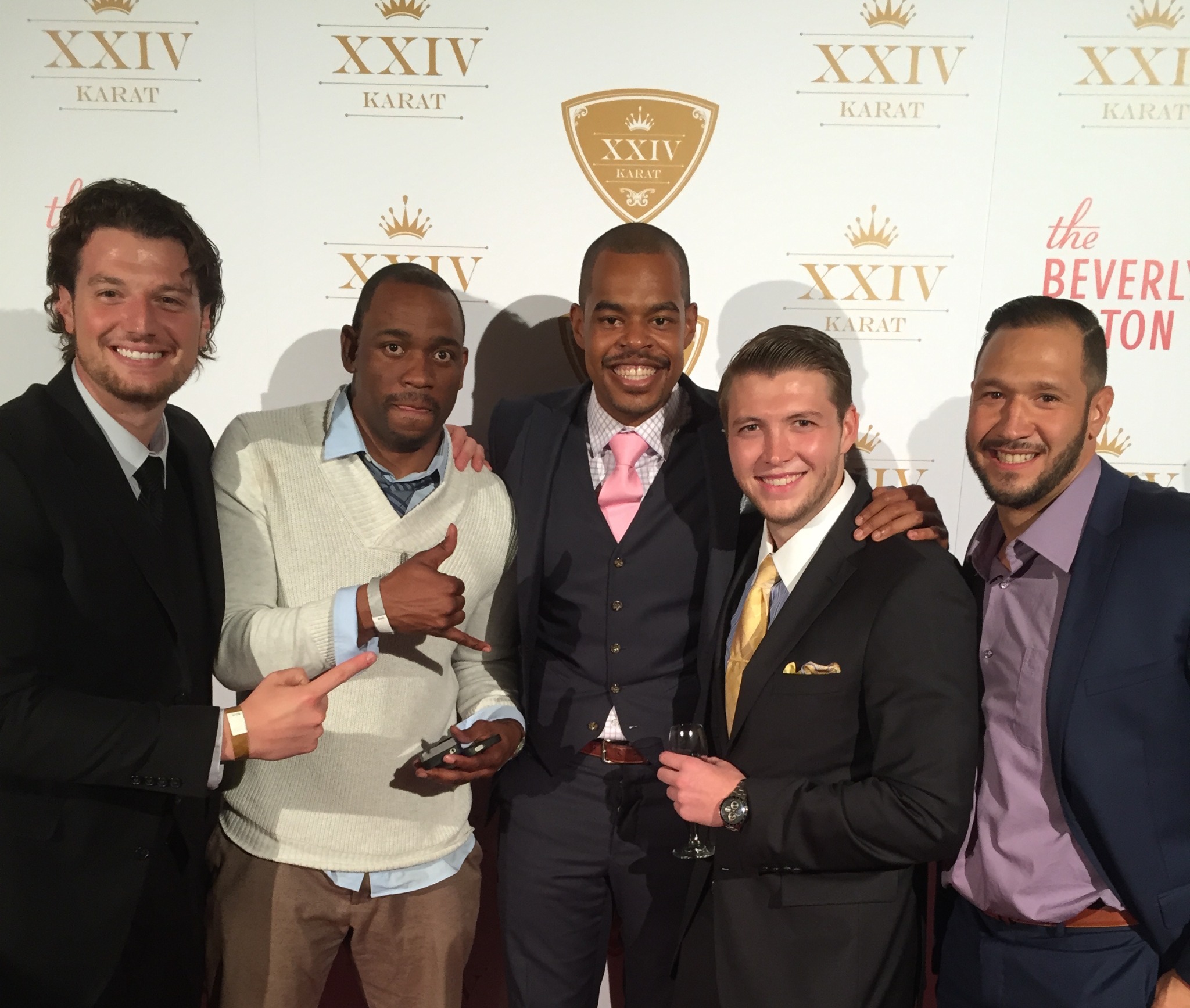
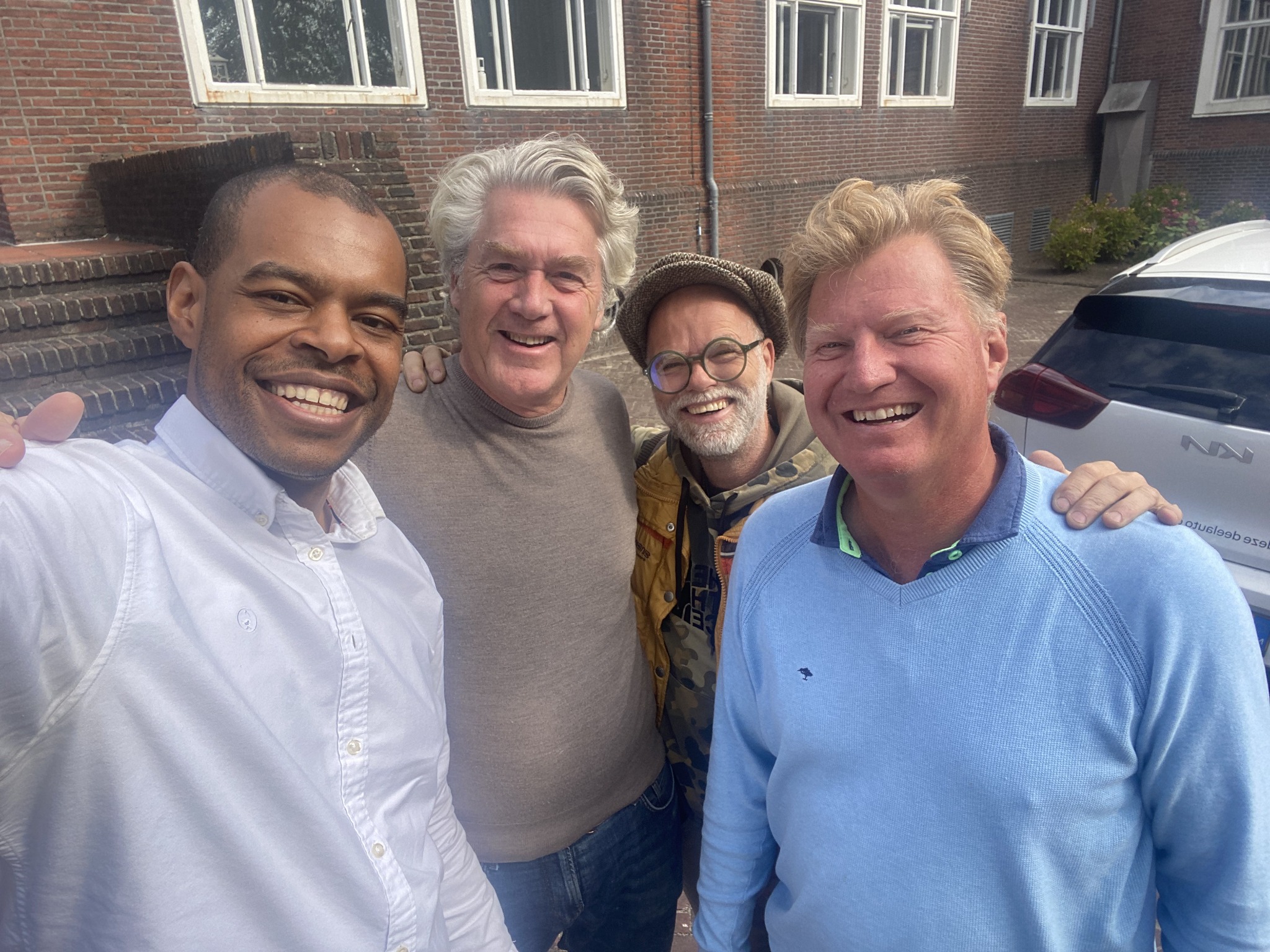
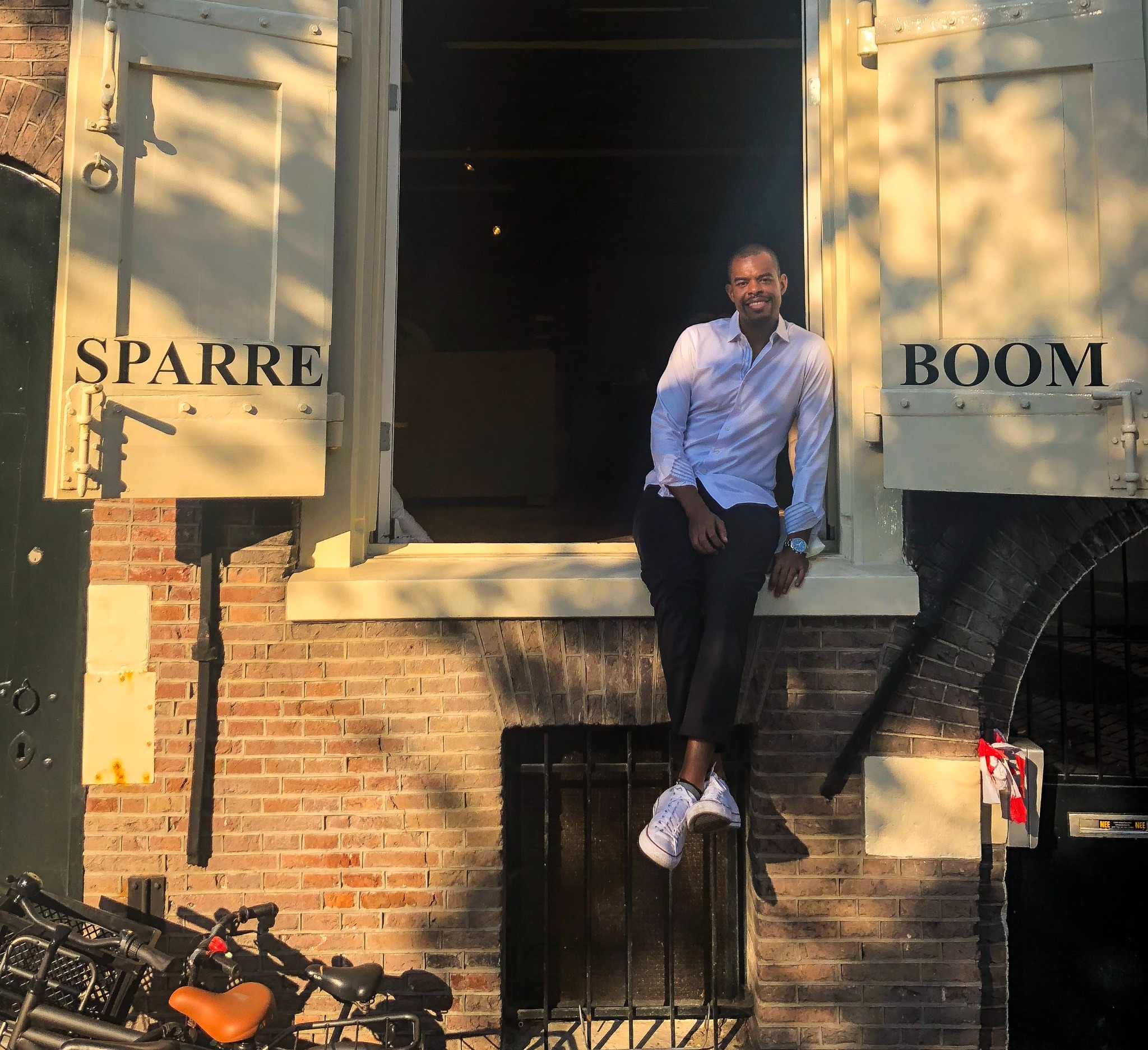
Freddie Brown runs OA. He spent fourteen years managing people and operating businesses before turning to the challenge of supervising AI agents. That work also shaped his focus on what intelligence needs around the model to keep working over time. He leads Okren, a separate company built around the financial authority problem this work exposed. On his own page, he writes down how his thinking changed and what he got wrong.
I've been building businesses since I was 13. A conventional job history has never been the best description of my work. The document I kept returning to instead was a life business plan I started writing in October 2020 and have rewritten as I learn.
The plan did not create the pattern. It gave me a place to write it down.
This is my version of a résumé: what I built, what it cost, when I walked away, and why I am still willing to take on a problem that may take decades.
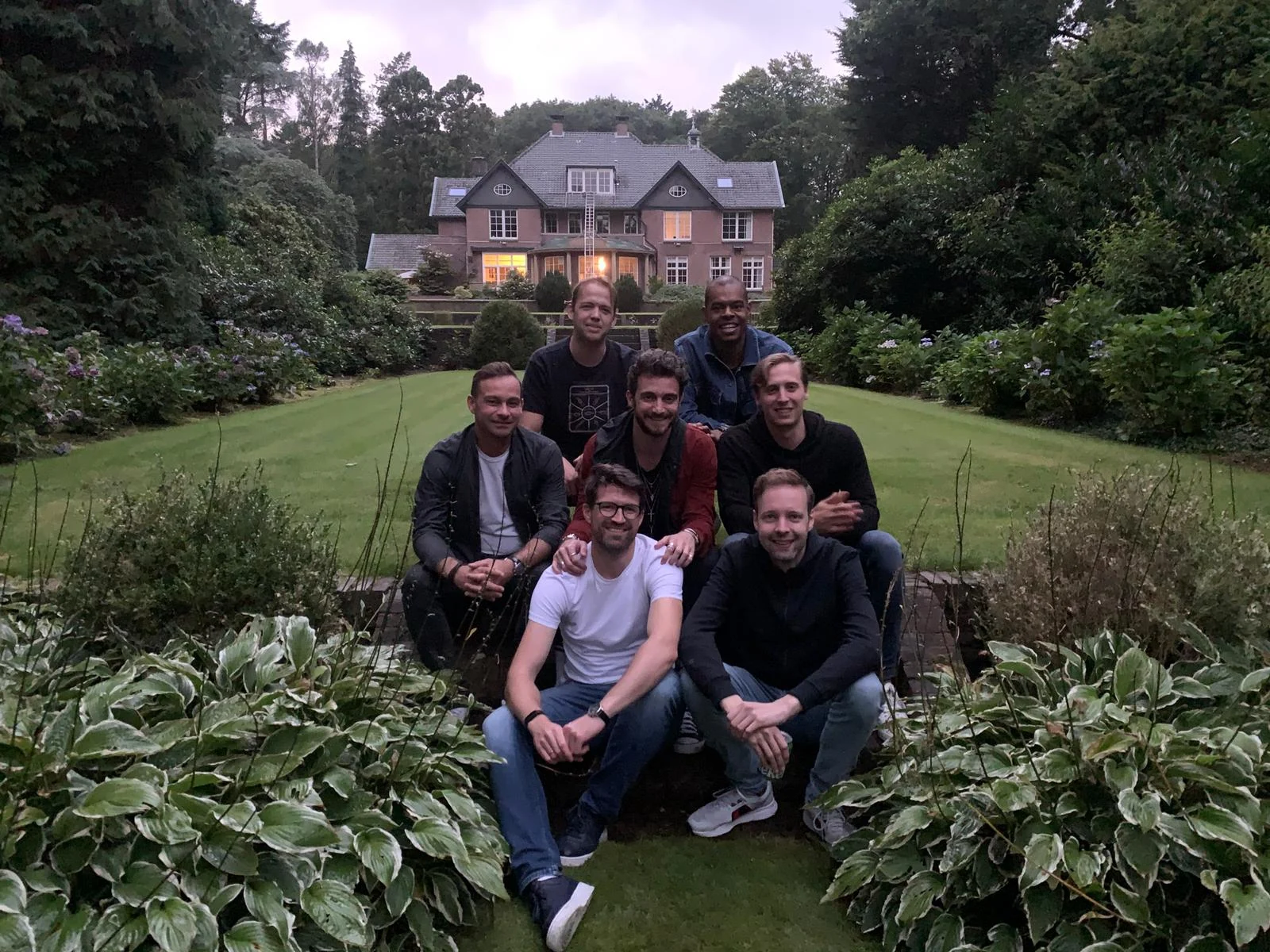

Before I knew the word entrepreneur, I was already doing it.
The vending machine at school kept rejecting dollar bills. Almost everything in it cost 75 cents, and most kids only had a dollar. So I started showing up with about twenty dollars in quarters. Give me your dollar, take three quarters. Everybody was happy. I kept a quarter every time.
It worked until the school called an assembly about it.
Around thirteen, I got a CD burner. I'd see mix CDs advertised on TV, copy down the track lists, find the songs, burn my own versions, and sell them.
Nobody taught me either one. I saw something broken or missing and wanted to see if I could make it work. My parents gave me what I needed and more. I still wanted money that was mine, because I wanted the independence that came with it.
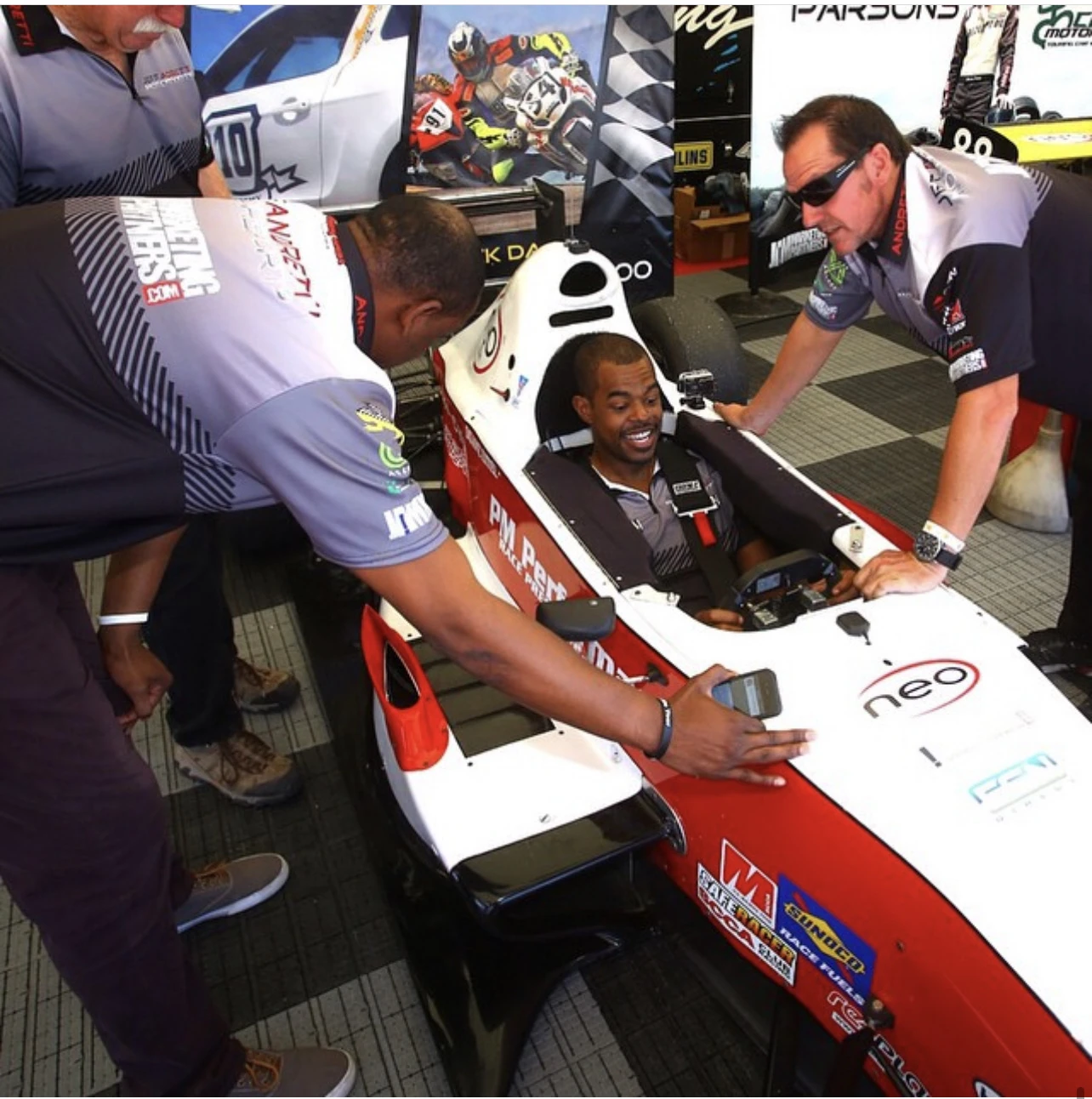
My father taught me through action. Basketball was part of how he did it: up at 5 a.m. to train, a full school day, practice after, homework, repeat.
His other lesson is the one I took most: he will fail ten times before most people try once. I took that with me. I am willing to try something I believe in before I know whether it will work.
My mother and her side of the family put education first, above sports and everything else. School did not come easily to me, especially standardized tests. I could work twice as hard just to get a C.
It taught me I can keep going at something that does not reward me right away.
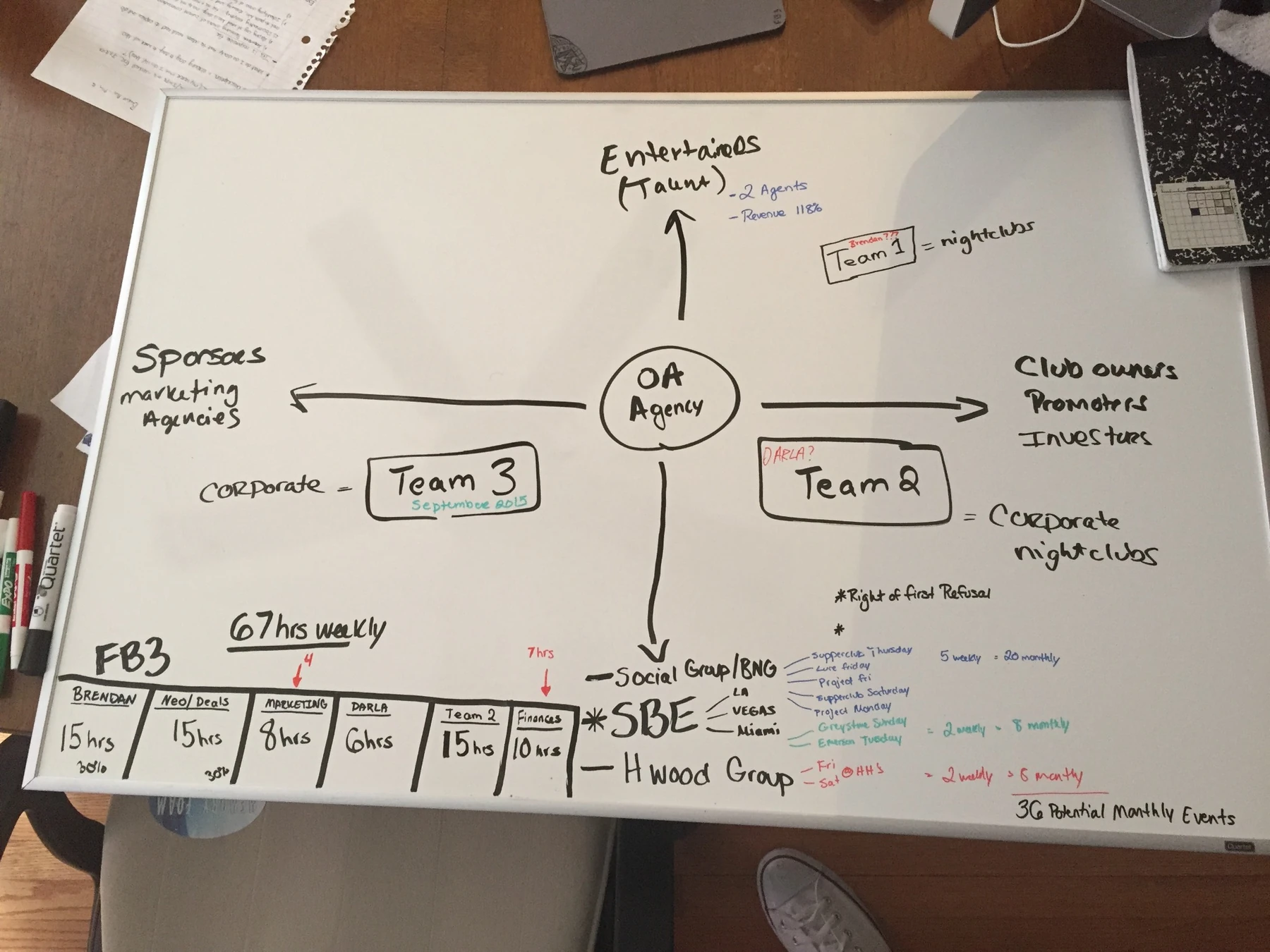
By eighteen, I knew I was going into business.
Three friends and I put up our own money for an event in college. We doubled our money on the first one, kept going, and turned it into a real events business.
That is where I learned one of the things I am best at: bringing different people and moving parts together around one outcome.
Events looked nothing like AI. The underlying job was more similar than it sounds. Customers, talent, partners, timing, money, logistics, people — all of it had to come together and actually work.
I do not need to be the person who invented every piece. My strongest work is taking something from possibility to operating reality.
I make mistakes constantly. The useful ones are the ones that change how I operate.
After COVID, I paid my team for a full year because I believed the business would come back. It did not come back in time.
Loyalty mattered to me, but belief in a recovery kept me committed longer than reality justified. I learned that persistence and waiting are not automatically the same thing.
I put about $150,000 into Repply, a CrossFit rep-counting app, and I damaged my relationship with the developer. That one is on me.
I also served as interim CEO and worked through more than 200 customer interviews. Repply went on to raise a $2 million Series A and was later sold to a competitor. Those outcomes do not change the mistake I made in the developer relationship.
I also put about $200,000 into a restaurant venture that never opened. In both cases, I moved before I had looked long enough.
When I believe in something, my intensity can turn into control and overcommitment. Balance gets worse. I become too involved. Decisions route through me that should eventually belong to someone else.
The answer is not to become less ambitious. It is to build better structure around the ambition.
I still liked the product. I still would have used it. I walked away because I no longer believed the opportunity matched the time horizon I wanted.
I want to be persistent about the objective, not sentimental about the vehicle.
Eighteen months. Five engineers. In the App Store. About 2,000 app members. Five paying founder-led venues. Then I stopped.
When everybody is going one way, I do not need to go the other way. I want to understand why they are going there before I decide. The vending-machine story is the simplest version of it.
Most of my friends are a little strange. I mean that as a compliment. The best thing someone can do for me is ask me a question I have never thought about before.
How do you know what you’re capable of without trying new things? I left a field where I knew how to win and moved into one where I did not have the background, repetition, or certainty. I am here for the next two decades.
I enter through movement of mind. Language, perception, interpretation, speed, wit, and mental agility shape how I explore an idea. I can see five angles before someone has finished explaining one.
I move. I pivot. I reframe. I question the question. I turn an idea around to find the contradiction inside it. I am fascinated by how thought becomes language, how thought shapes identity, and how the same reality can look different from another point of view.
That movement is how I get closer to what is true. I broaden to understand what I might be missing. Then I narrow, make the call, and move. That speed can also make me too directive, so I need people willing to challenge me when I have missed something.
Dream as large as the problem. Start with the next concrete step. Change when the world says so.
Curiosity opens doors. Discipline decides which one deserves years.
I use different minds and different tools to widen what I can see. The decision is still mine.
Ambition is only useful when it's pointed at something worth the cost.
The thing that made this concrete for me was intelligent systems operating around real money. It's why Okren exists.
The nine on my plan. A few of them now have stories attached.
The most important thing in life. It brings me the most joy: being, learning, furthering, developing.
I get this from my father. I'm curious about what I don't already know.
I deliberately seek out people who see the world differently from me.Living with an open heart. No lying, no point. Having the vocabulary to say what's really on my mind.
One of the most important traits I learned from my family. It guided me to where I am now.
Five a.m. basketball with my father.Add value to others and it always comes back to you.
Sometimes somebody just needs you to sit there and listen.One of my life's missions: to be a very productive human. I'm most happy when I am.
I want to try almost everything once. Life begins at the end of our comfort zone.
My guiding force these days. I stay away from negative energy.
Treat everyone the way you want to be treated. Simple.
The questions existed before the plan. October 2020 is when I started writing them down seriously enough to compare one version of myself with the next.
These lines come from my dated planning documents. I've left out the personal material and the parts that were never meant for anyone else.
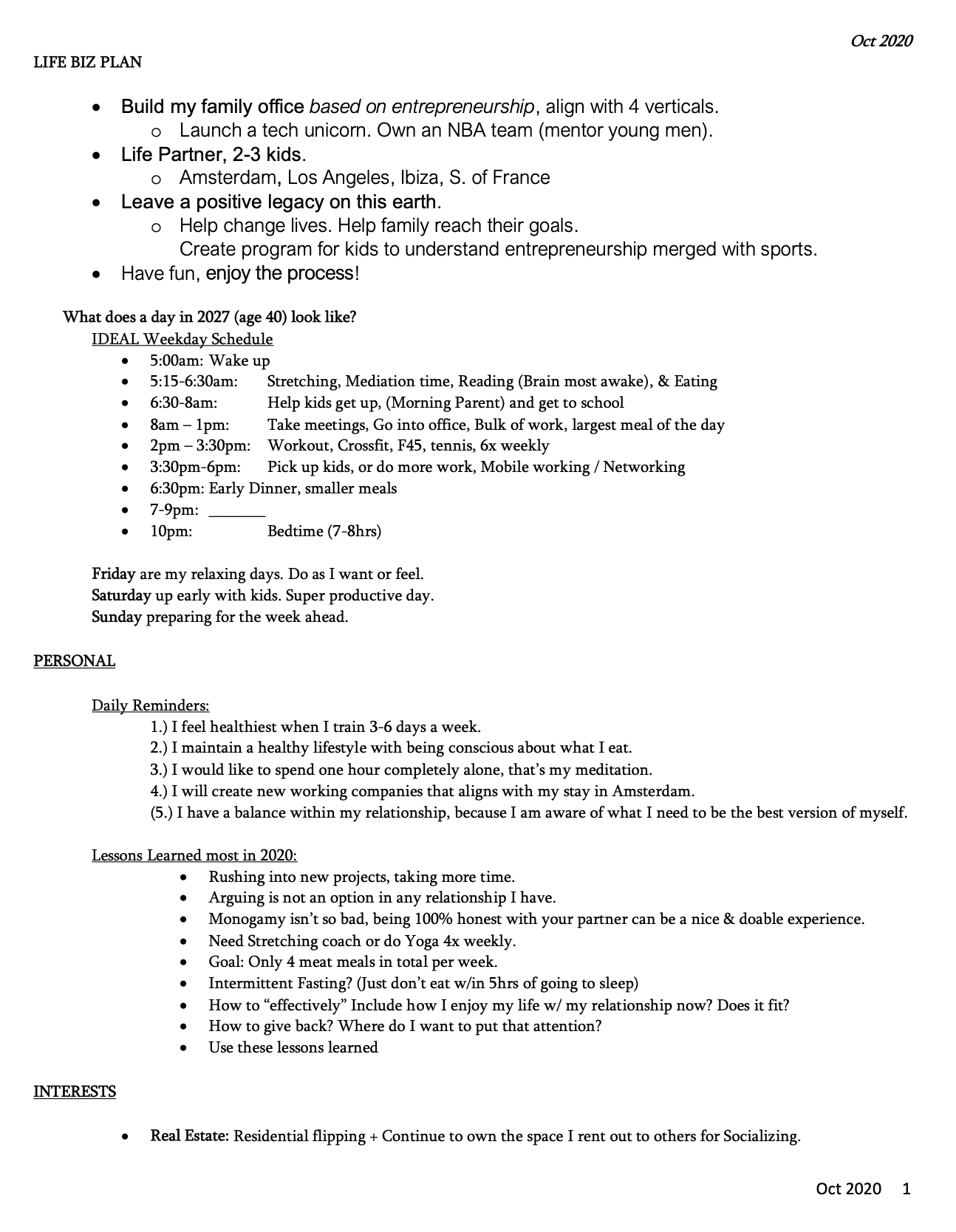
“Tech (efficiency): Want to create an algorithm that makes life more efficient.”
“Focus on 2030–2035 — Develop comprehensive knowledge to prepare for what the world will be.”
“What does 2030 look like, with the confluence of Artificial Intelligence, Machine Learning, Robotics…”
“Launch a tech unicorn making people’s life more productive.”
“AI Native Execution Systems.”
“Teach founders how to think in decades.”
“What 2030–2040 looks like when AI compresses labor value and debt systems strain.”
Persistent Intelligence is the larger question I am willing to spend the next decade on. Okren is the authority problem we found once intelligent action became consequential.
The plan did not predict the path. It helped me see which questions kept surviving it.
These excerpts came from private planning documents I've kept over time. The originals contain personal material and aren't published in full. I am showing four public snapshots here because they carry the clearest evolution; the intervening plans remain private support.
OA is the research lab and long-horizon home for the larger question: what intelligence needs around the model to understand situations, make sense of change, act, observe what happened, and continue over time.
My job. Keep following the question and decide which problems deserve to become real work.Explore OA →Gunner is the operating system for Persistent Intelligence. The technical architect I work with built it. I did not write the system.
My job. Understand what it makes possible, define what the applications need, and turn those possibilities into products and companies.See the architecture →Okren is a separate company built around independent supervision before AI-initiated consequential financial actions become real.
My job. I recognized the authority problem Gunner exposed and turned that problem into a company — product direction, customers, commercialization and operating decisions.See Okren ↗I expect AI to become far more capable. I do not think increasing capability should automatically mean increasing authority.
Persistent Intelligence is the larger line of work.
Okren is the separate authority problem that appeared once intelligent action became consequential.
I believe AI will become far more capable, and the models themselves will keep changing. The valuable thing will be the objectives, memory, knowledge and responsibility that carry through those changes.
Gunner is our answer to the operating problem. Okren is our answer to the separate question of human authority over AI-initiated financial action. My bet is that both responsibilities become infrastructure as AI takes on lasting work.
I am not trying to build around one model cycle. I am trying to build what the next cycles will need.
Okren’s first paying external customer is evidence that somebody will pay for this and use it. It is not proof of a repeatable company.
Can a bounded first deployment expand into more workflows, more customers and repeatable institutional adoption?
Can I build strong operators who own their areas so the company becomes less dependent on me being in every loop?
Which parts of Persistent Intelligence remain durable responsibilities, and which parts get absorbed into the broader AI stack?
Can I keep the intensity that helps me build while putting enough structure around it that it stops becoming the constraint?
Health has its own line in my plan, next to the work. I do CrossFit, I lift, and I know exactly where I stand. I like knowing that discipline exists somewhere I can measure it.
Wim Hof breathing and advanced neurofeedback are how I work on the mental side.
Fifteen from the reading list in my plan.
From the interests list in my plan. Click any card to open it.
Be unreasonable in all things, as long as it's for the greater good.
Allow, invest, and partner with only those people who live in the pursuit of excellence.
Intelligence, dreams, and ability are evenly distributed across humanity; empowerment and opportunity are not, and that's why we have the responsibility we do.
To progress again, man must remake himself. And he cannot remake himself without suffering. For he is both the marble and the sculptor. In order to uncover his true visage, he must shatter his own substance with heavy blows of his hammer.
The more tranquil a man becomes, the greater is his success, his influence, his power for good. Calmness of mind is one of the beautiful jewels of wisdom.
The challenge of leadership is to be strong, but not rude; be kind, but not weak; be bold, but not a bully; be thoughtful, but not lazy; be humble, but not timid; be proud, but not arrogant; have humor, but without folly.
When a man comes to a conscious vital realization of those great spiritual forces within himself and begins to use those forces in science, in business and in life, his progress in the future will be unparalleled.
The playlist is in my plan. These covers are a few of the records behind it.




A business plan asks what you are building, why it matters, what could go wrong, and what you will do about it. I started asking the same questions of my own life.
I wrote the first plan in October 2020. I've kept rewriting it. The values have been more stable than the answers. The questions have narrowed.
From my plans, 2020 to 2026.
This is the compressed version of the exercise I keep doing myself. A life business plan does not need to be impressive. It needs to be honest enough to check against reality.
When you ask Ask OA a question, the site sends your message, a limited amount of the preceding chat, and OA’s public Context File to OA’s Vercel function and Google’s Gemini API to generate an answer. OA does not maintain its own database of chat transcripts. The current chat remains visible in your browser tab until you clear it or leave. On Google’s free Gemini API tier, Google may use submitted questions and generated responses to improve its products and services, and human reviewers may examine them. Do not submit confidential, sensitive, or personal information. If OA later switches to paid API processing, these terms and this notice will be updated. OA does not sell your messages.
Ask OA is a public information service. Please do not submit sensitive personal or confidential information. Conversations are not covered by a confidentiality agreement. For sensitive discussions, contact Freddie directly.
Ask OA answers may be incorrect. They are informational, not professional advice or commitments by OA.
Vercel handles technical request information, such as IP addresses and browser information, when serving the website. Hosting and abuse-prevention systems may retain technical logs. Some speaker photographs, video thumbnails, and book covers are loaded from third-party image hosts. Those hosts may receive your IP address and browser information when the images load. Selecting an external source opens that provider’s website.
You can contact Freddie by WhatsApp or email. The WhatsApp link opens a conversation with +31 6 18 84 24 72; WhatsApp handles messages under its own terms. Email links open a message to freddie@oaagency.com. Messages you choose to send are handled by those services and received by Freddie to respond.
Email freddie@oaagency.com to request access to, correction of, or deletion of information OA holds about you. Email, WhatsApp, and other third-party services have their own data-handling practices.
OA updates this notice as its services change. The current site does not add advertising or analytics tracking scripts to the HTML.